Legacy
Built Before the Brand
Legacy
Built Before the Brand
SAFECHAIN™ did not begin in a boardroom.
It began in the people who formed me long before I had language for what I would one day build.
It began in marriage, in discipline, in craftsmanship, and in the values handed down to me through family legacy. The architecture of this work was not invented for public life. It was lived in private first.
My legacy is shaped by three forces:
my father’s covenant,
my mother’s instruction,
and my grandfather’s hands.
Together, they gave me a standard for love, for endurance, for work, and for what should happen when life comes under pressure.
My Father’s Legacy: Covenant, Trust, and the Weight of the Aisle
My father did not simply raise me. He gave me a model.
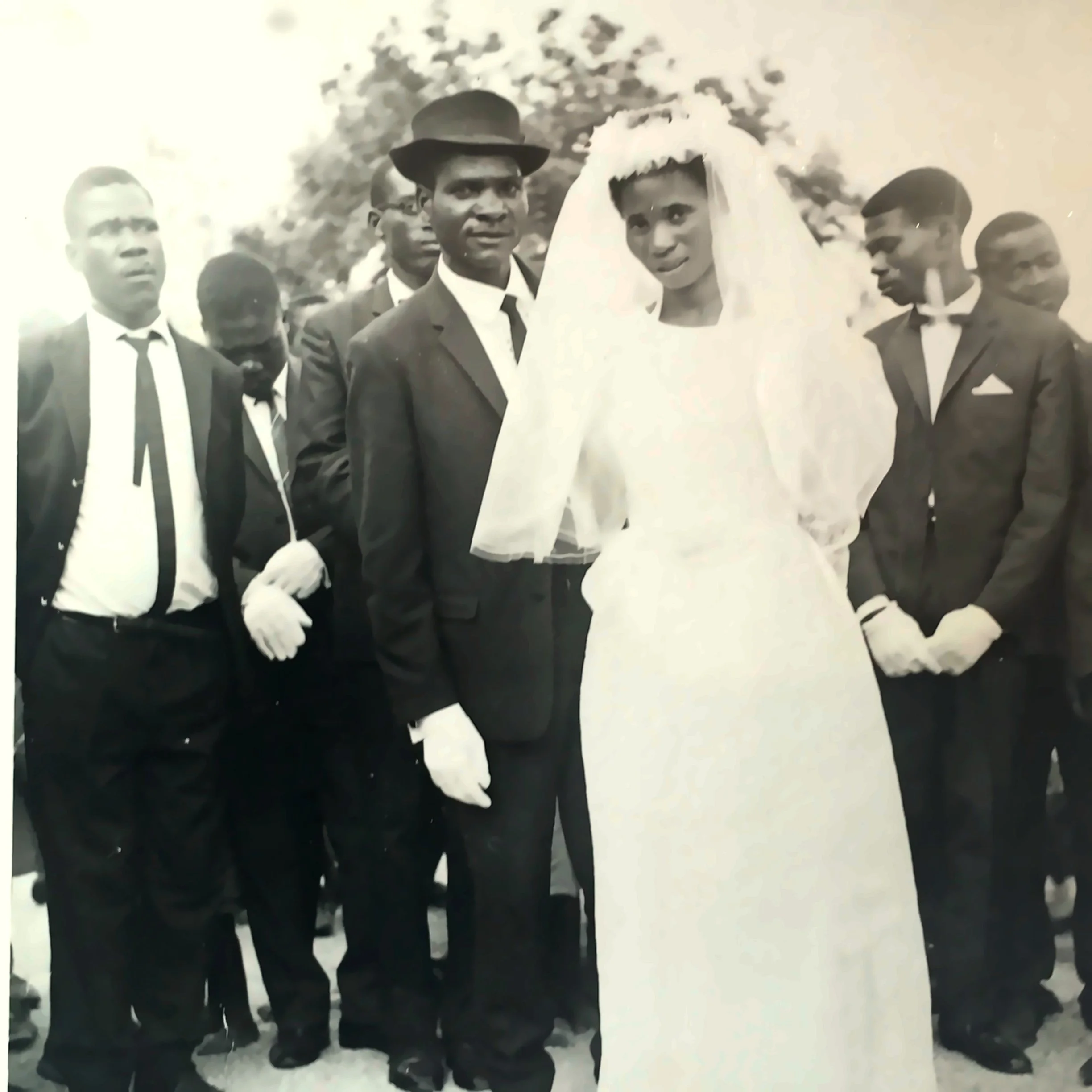
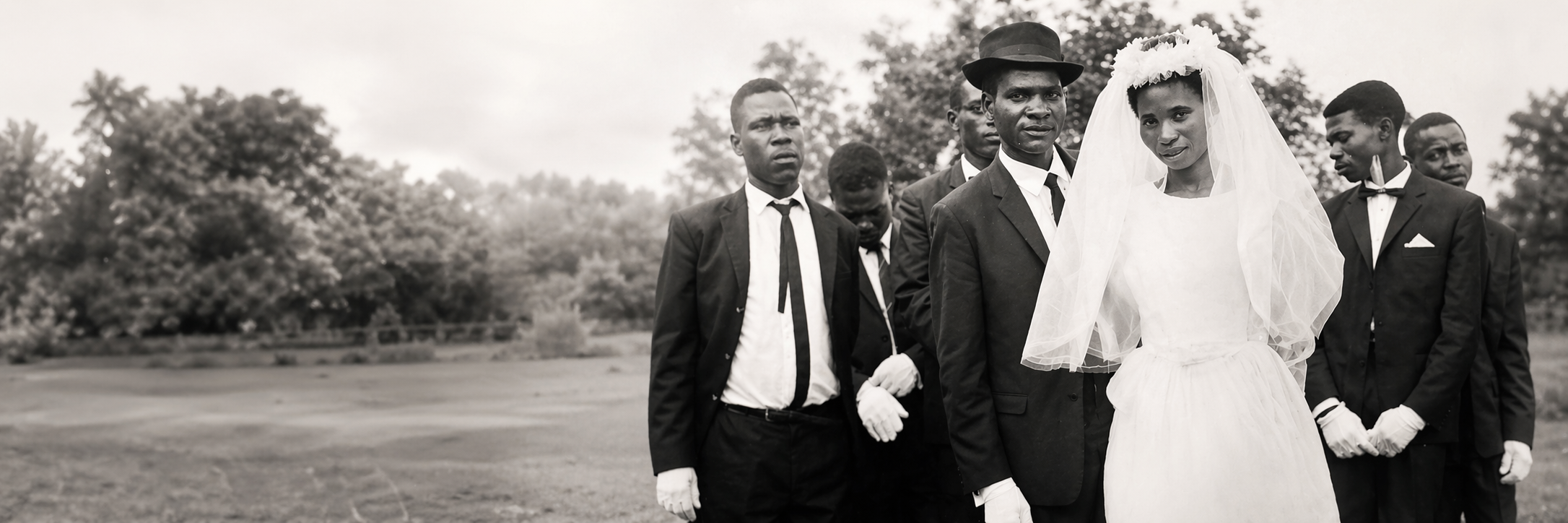
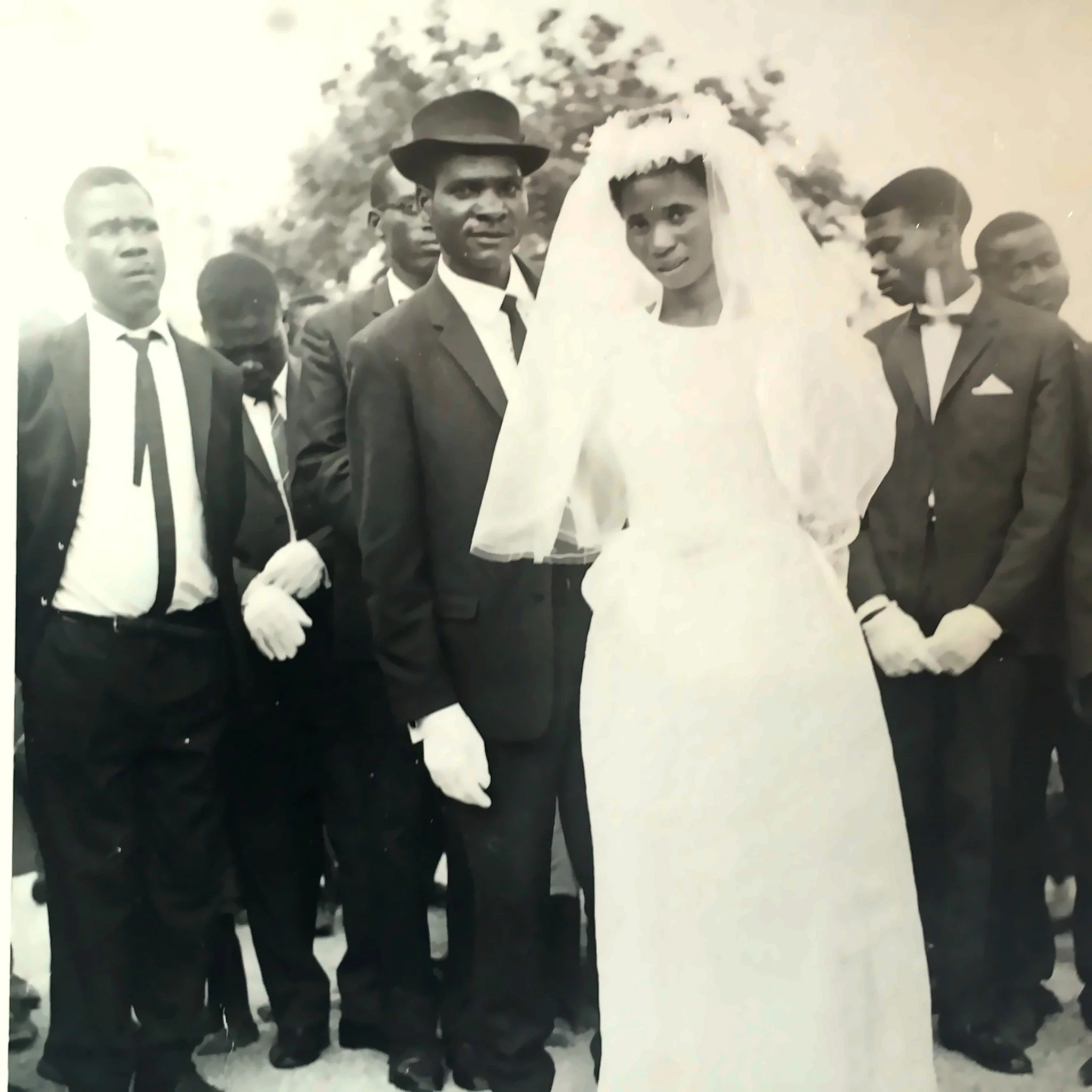
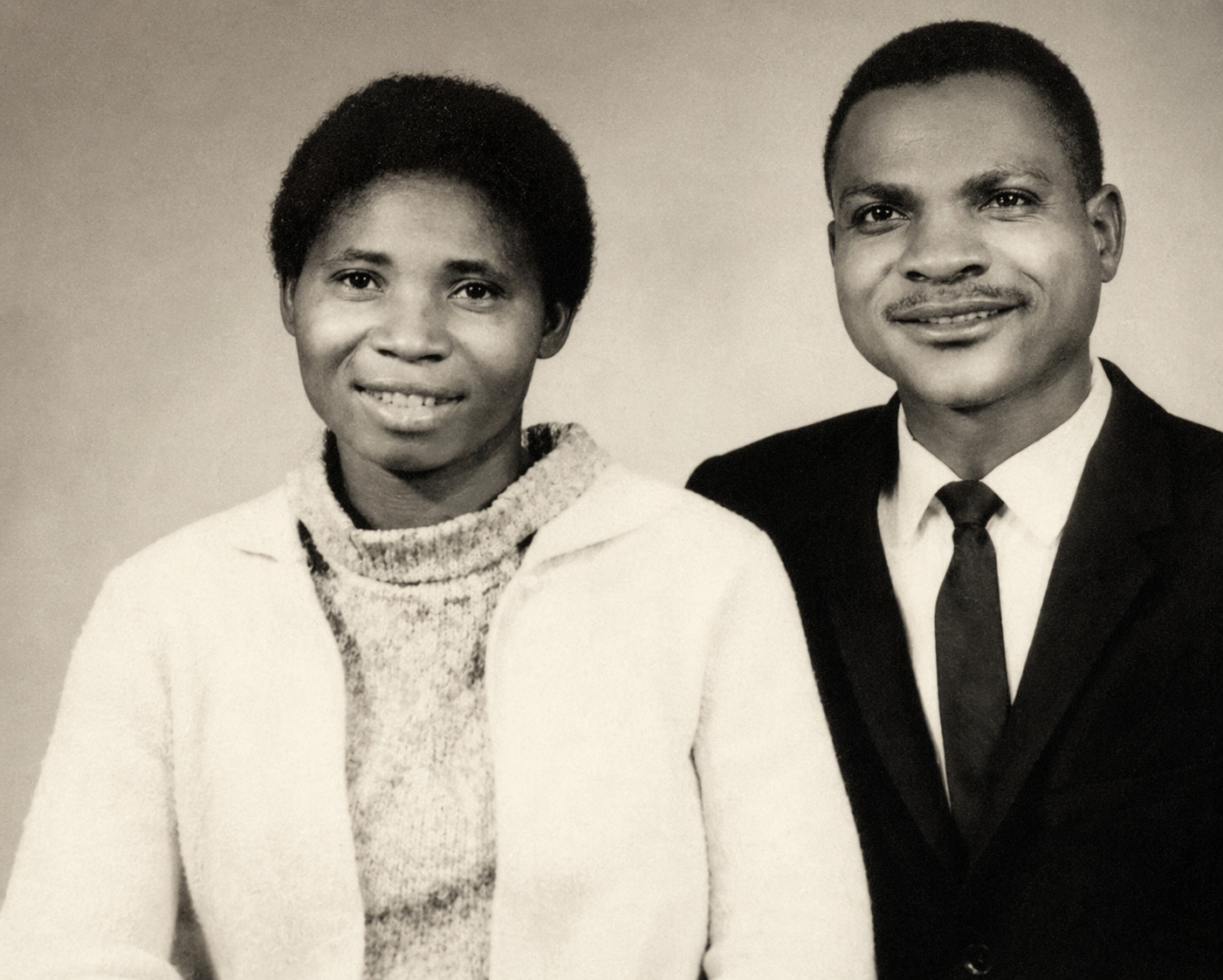
He loved my mother through a marriage that lasted forty-five years. That legacy matters to me because it was not merely a personal relationship; it was an example of commitment, continuity, and duty. It showed me what endurance looked like when it was rooted in covenant rather than convenience.
That was the standard I saw.
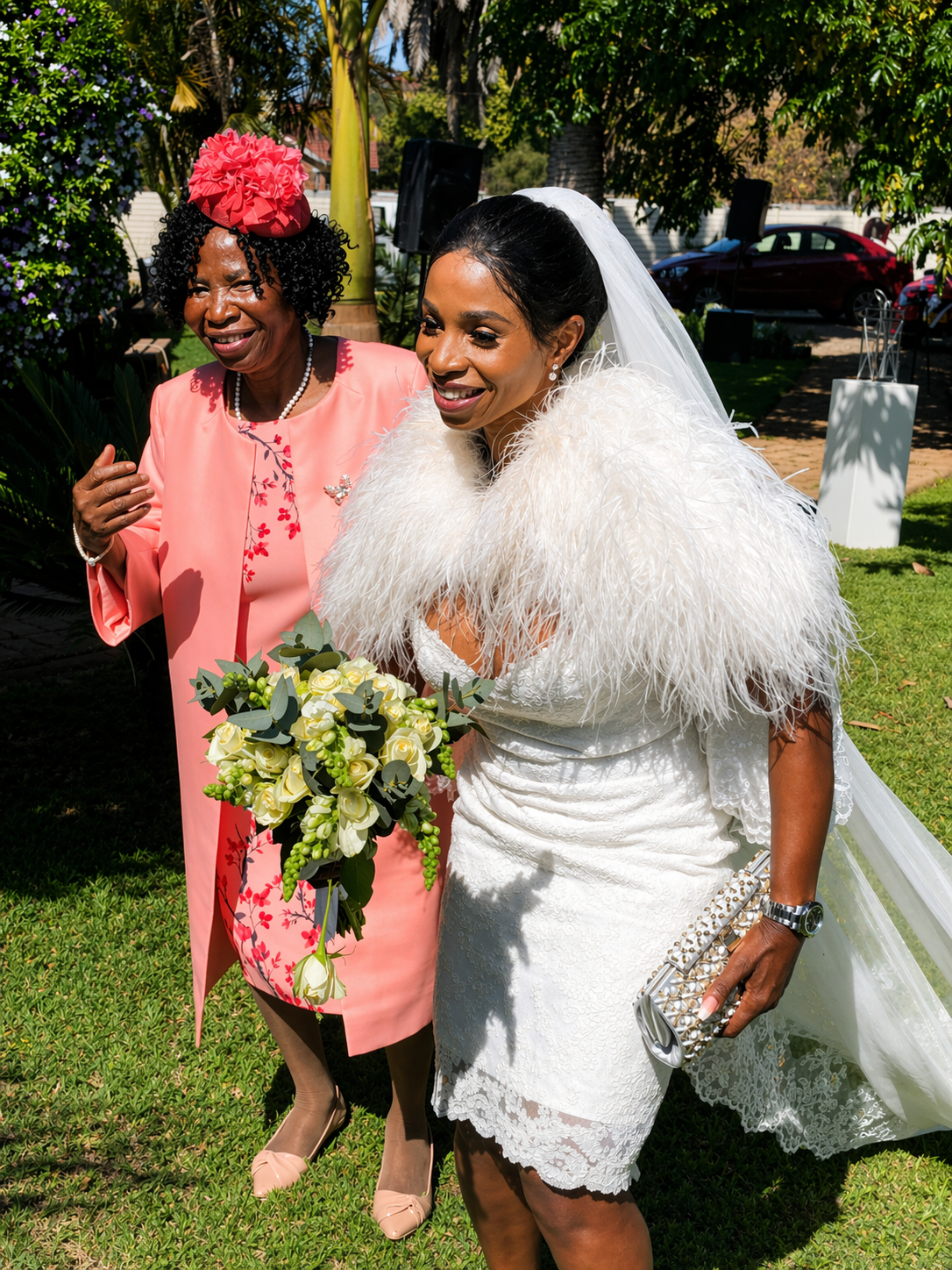
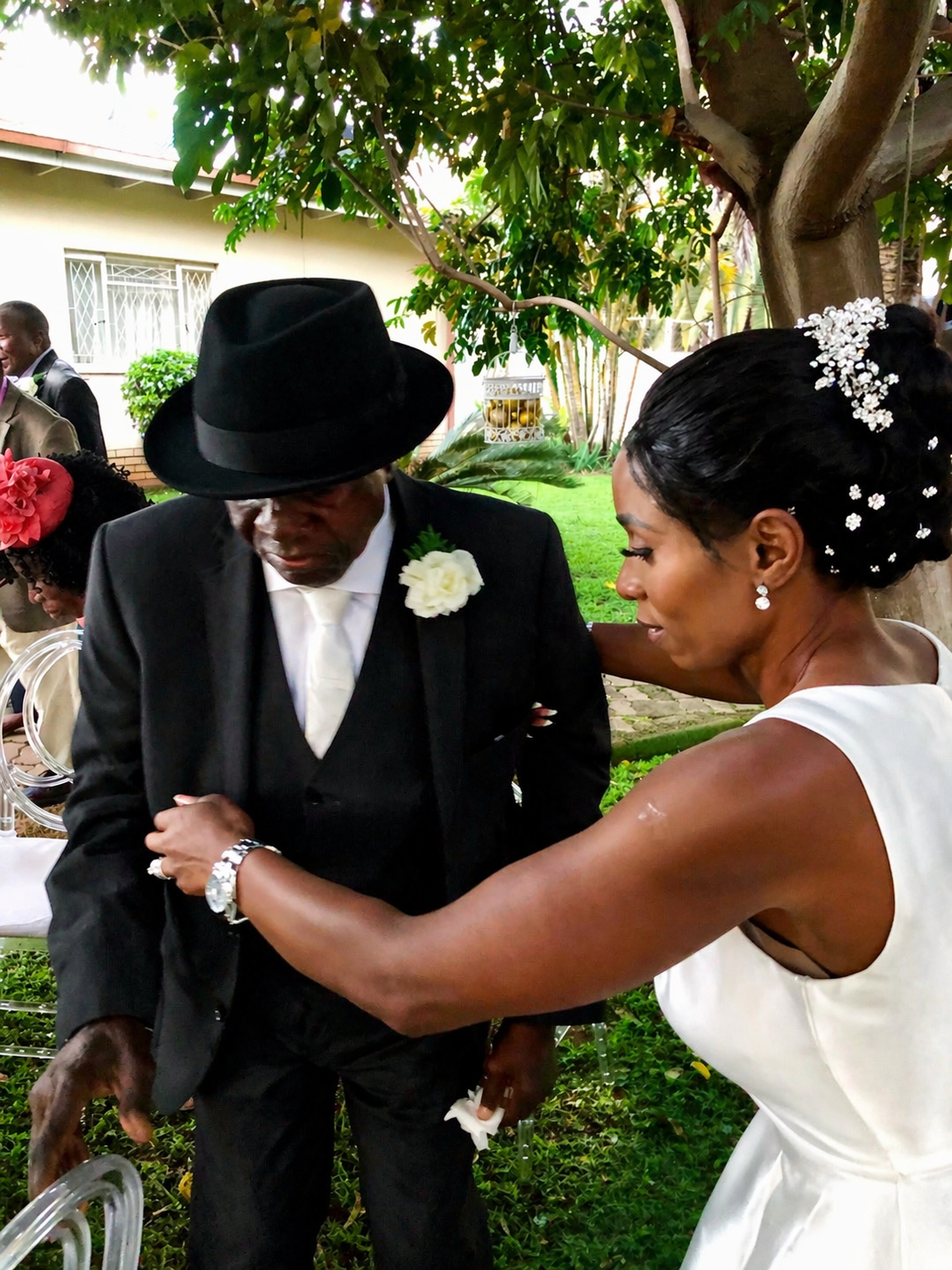
And then came one of the most sacred moments of my life: my father walking me down the aisle.
He did so, as fathers do, believing he was passing me into safe hands. Believing he was entrusting me to a good man. Believing the values he had lived before me—commitment, honour, protection, responsibility—would be reflected in the marriage I was entering.
That is part of the tragedy.
Because what my parents could not have envisaged was the kind of man I had actually been given to. The false narrative was not mine. It was the narrative presented to my family, to the world, and to the covenant itself. My father walked me forward in good faith. He passed me on under the belief that he was witnessing the continuation of decency.
He was not.
That betrayal carries a particular weight because it did not only violate me. It violated the trust of a father. It violated the moral architecture of what marriage was supposed to mean. It turned a sacred act of blessing into the threshold of deception.
And yet even there, my father’s legacy remains intact.
Because what he gave me was not the fraud of the man I married.
What he gave me was the standard by which I now know that fraud for what it is.
He left me with a benchmark.
A measure.
A covenantal memory.
His life with my mother taught me that love is not theatre. It is endurance. It is consistency. It is character over time.
That legacy still governs me.
My Mother’s Legacy: Education as the First Husband
My mother gave me one of the most powerful lines of my life.
She told us that our education was our first husband.
That was not a casual phrase. It was doctrine.
What she gave us through that instruction was independence, foresight, and protection. She taught us that before any romantic promise, before any external title, before any man could claim importance in our lives, we were to be anchored in something that could not betray us: our minds, our learning, our capacity, our ability to stand.
Education, as she framed it, was not just about schooling. It was about dignity. Security. Continuity. It was the companion that would stay when other things failed. It was the covenant that would not walk away. It was the foundation that could not be liquidated by somebody else’s choices.
And she was right.
When the false narrative of marriage collapsed, my education remained.
When illusion gave way to reality, my mind remained.
When systems tried to reduce me, misread me, and outmaneuver me, the first husband my mother had given me was still standing.
That legacy sits at the heart of everything I build.
My mother taught me not to place my entire future into the hands of appearances. She taught me to build inwardly. To carry substance. To understand that a woman must have her own architecture.
If my father gave me the standard of covenant, my mother gave me the means of survival.
She gave me intellect as protection.
She gave me learning as permanence.
She gave me a relationship with my own capacity that no deception could fully destroy.
That is part of the foundation of SAFECHAIN™.
It is why this work is not sentimental. It is intellectual. Structural. Deliberate.
It is why I do not simply speak from pain. I build from analysis.
My Grandfather’s Legacy: Repair, Reinforcement, and the Carpenter’s Logic
Then there was my grandfather: a farmer and a carpenter.
He understood labour, structure, patience, and materials. He understood that what is exposed to weight must be built properly. He understood that pressure reveals weakness, and that weak things must not simply be disguised; they must be reinforced.
In our family home, joy was so large that it broke coffee tables. My father and I danced on the furniture. My mother despaired at another table giving way. And my grandfather, with the practical wisdom of a man who knew wood and weather, refused the logic of disposal.
He said, in effect: do not buy another weak thing. Build something strong enough to handle the dance.
And he did.
That principle has never left me.
He taught me that when something breaks, the answer is not always to throw it away. Sometimes the answer is to understand why it failed, then rebuild it with greater integrity than before.
That is not only a domestic memory. It is institutional philosophy.
It is part of the reason SAFECHAIN™ exists.
I have seen what happens when systems encounter fracture and answer it with disposal. I have seen what happens when vulnerability is mishandled, when trauma is misread, when human lives are processed through structures too weak to carry reality.
My grandfather’s legacy taught me another way.
Study the strain.
Strengthen the structure.
Build for the weight.
Make it capable of carrying what life will ask of it.

The Legacy Behind SAFECHAIN™
SAFECHAIN™ is not an abstract innovation detached from human history.
It is a structural answer born from inheritance.
From my father, I inherited a standard of covenant, trust, and moral seriousness.
From my mother, I inherited the doctrine that education is the first husband—the anchor that remains when illusion falls away.
From my grandfather, I inherited the instinct to repair, reinforce, and build for pressure.
Together, they formed the architecture of how I think.
They taught me that love should be real.
That a woman should be intellectually armed.
That what is broken must be examined structurally, not merely mourned.
That what matters must be built to last.
This is why SAFECHAIN™ is concerned with structural integrity, not surface sympathy.
This is why I speak about safeguarding as infrastructure, not performance.
This is why I refuse the language of disposal when applied to wounded lives.
I was not raised by people who discarded what mattered.
I was raised by people who believed in covenant, in preparation, and in reinforcement.
Built to Hold What Matters
My legacy is not one-dimensional.
It is the legacy of a father who walked me forward in good faith.
It is the legacy of a mother who told me my education was my first husband.
It is the legacy of a grandfather who built tables strong enough to handle the dance.
Those teachings now live on in a different form.
In the way I think.
In the way I write.
In the way I build.
In the way I refuse collapse as the final word.
SAFECHAIN™ carries all of it.
Covenant.
Capacity.
Craftsmanship.
And the determination to build systems strong enough to hold what should never have been dropped in the first place.
This is my legacy.
And SAFECHAIN™ is that legacy made structural.
What the Betrayal Revealed
There is a particular cruelty in discovering that the man your father trusted was not who he appeared to be.
That revelation is not merely personal heartbreak. It is the collapse of a narrative. It is the corruption of a sacred handover. It is the desecration of trust at the level of family legacy.
But even that collapse clarified something for me.
It showed me that appearances are not enough.
That systems built on assumption are dangerous.
That trust without verification can become vulnerability.
That what is presented as respectable may, in reality, be profoundly unsafe.
That knowledge now informs my work.
SAFECHAIN™ is, in part, a refusal to let false narratives go unchallenged.
It is a response to the devastating consequences of misplaced trust, institutional naivety, and structures too weak to detect what is really happening.
My life taught me that integrity must be designed for, not assumed.
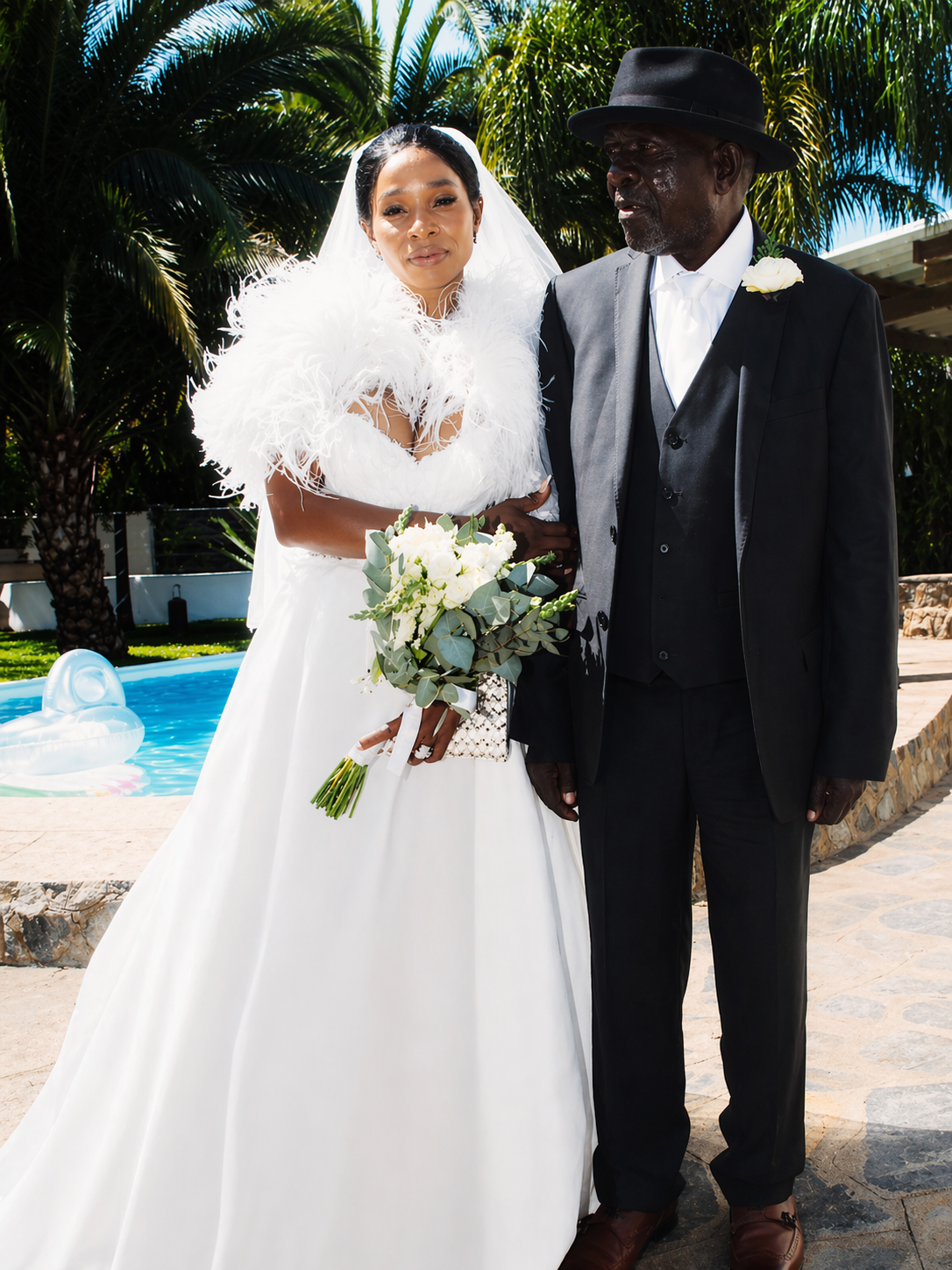
My father gave me a standard, my mother gave me a mind, and my grandfather gave me the logic of repair. SAFECHAIN™ is where those legacies meet.
-
![]()
MY beautiful parents
-
![]()
Dad and I
-
![]()
Mother and i
-
![]()
My parents wedding day